Indonesia
 Australia
 New Zealand
 Philippines
 Singapore
 Malaysia




Ad Rem Joglo: Honoring the Past, Serving the Present, Prototyping the Future


In light of rapid, unprecedented modernization, the built environment has caused major destruction and degradation to the planet. Many modern buildings are constructed through such unsustainable practices, resulting in excessive energy consumption with zero regard to the long-term impact on the natural environment. Reassessing the basic principles of architecture and built environment has become urgent, now more than ever.
Beyond solving spatial problems and shaping physical space, architecture takes a crucial part in the restoration and preservation of the ecosystems, defining the environmental, cultural, and social future. Architecture must aim to create harmony among built environment, natural world, and human communities. Based on these concerns and challenges, Ad Rem is born as an initiative from SASO Architecture Studio to contribute meaningfully toward the vision of a livable future through innovative architectural practices.
Each Ad Rem project embodies this vision, striving to create a new standard for architecture that goes beyond functionality, serving as a catalyst for positive environmental and social change. Among many possible Ad Rem projects, the Ad Rem Joglo becomes the first project that showcases a particular approach to merge tradition with modern needs. As a part of collaboration with the Holcim Foundation for Sustainable Construction, Nam Joo Kim, Stefan Novakovic, and SASO Architecture Studio's principal Andi Subagio embarked on the mission of Ad Rem toward Joglo.
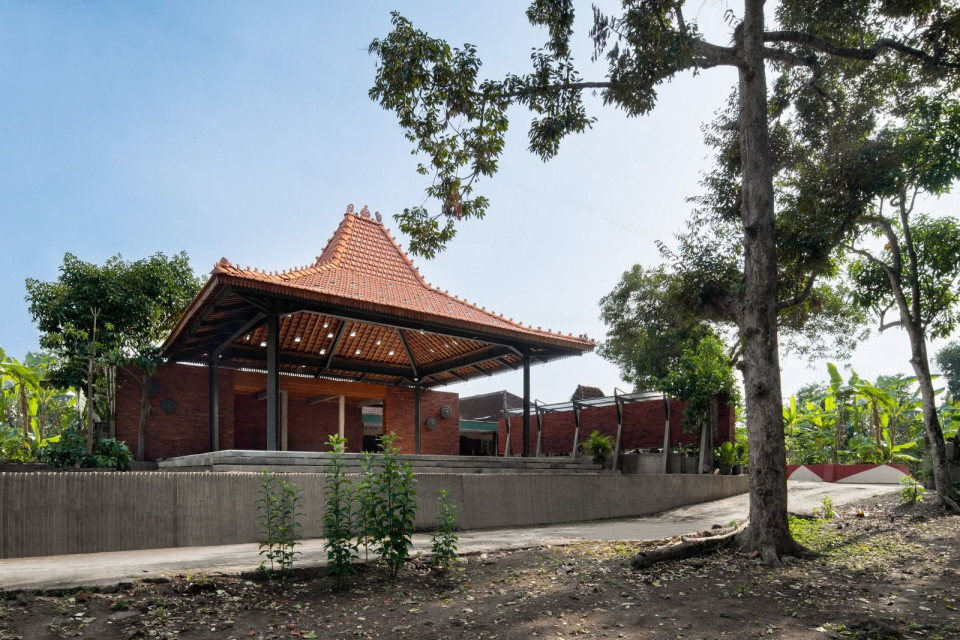
Ad Rem Joglo is revitalizing old structures of Joglo taken from Siraman, Gunung Kidul with the help of Cultural Division of Gunung Kidul and Cultural Heritage Expert Team in finding the original 200-year-old Joglo. As a significant representation of Javanese cultures, Joglo architecture embodies the deep-rooted cultural value of harmony, sustainability, and contextuality.
Through Ad Rem project, the essence of Joglo is preserved while also being adopted to contemporary needs. Beyond mere restoration, Ad Rem Joglo aims to align new living functions with cultural preservation and historical value.

The existing structure is relocated and adapted to a new function as a shelter for dancing community of Padepokan Sekar Djagad in Mutihan, Yogyakarta. The traditional form of Joglo and its original wood elements are retained, maintaining the Joglo's historical value and representing cultural identity. Guided by local craftsmen, modern material in the form of steel structure is incorporated as its new function requires a very flexible space to contain limitless possibilities through dance.
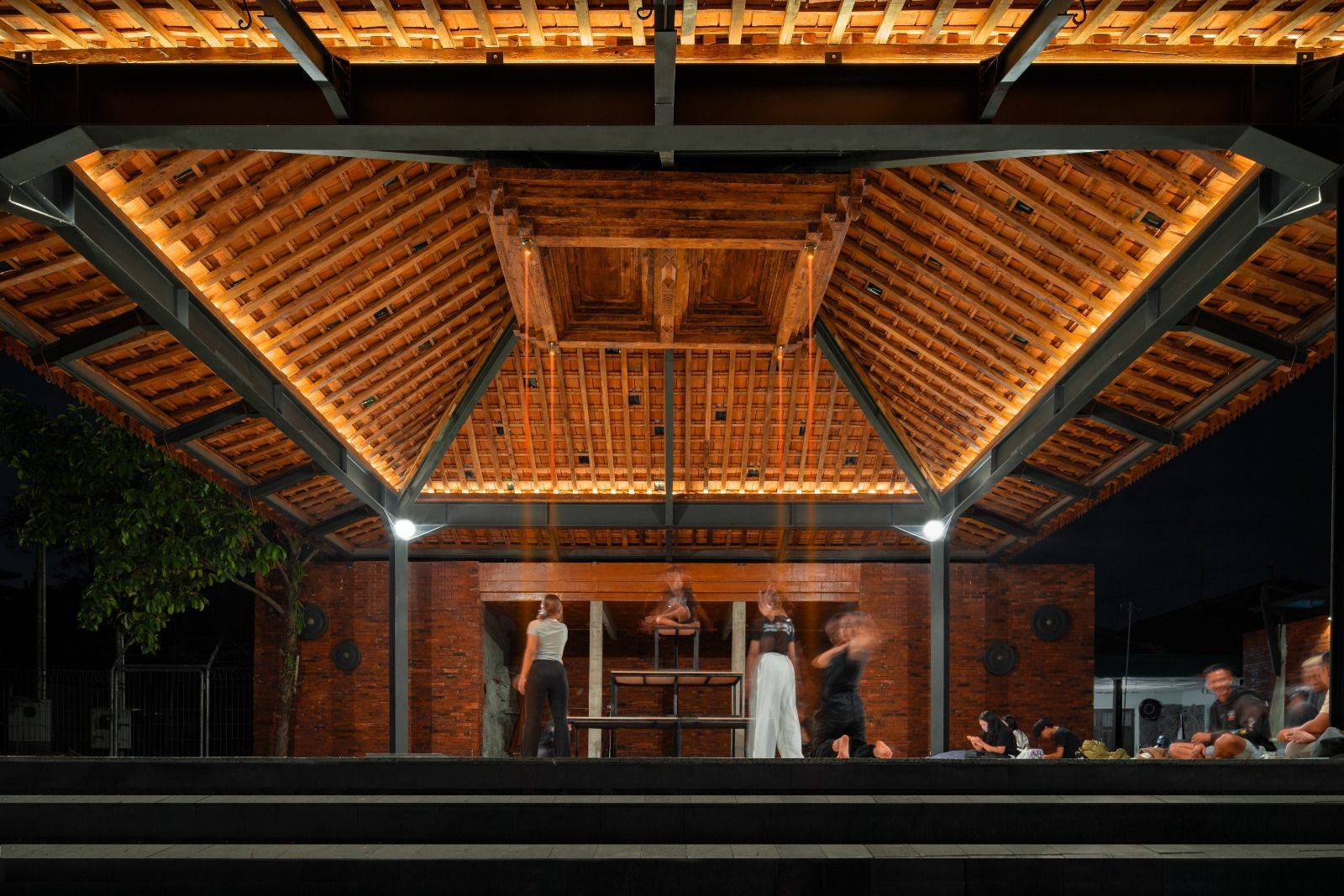

The Joglo provides a gathering and performance space, including a place for practices, discussions, and many other activities to preserve cultural value. This involves a certain adaptation toward its new site and additional rooms such as dance studio, secretariat room, gamelan area, and modern supporting amenities like restrooms and parking area to enhance usability.
Running from March 2023 to August 2024, the Ad Rem Joglo project becomes a testament to its philosophy, serving the needs of shelter as harmonious as possible toward nature by implementing non-destructive actions.
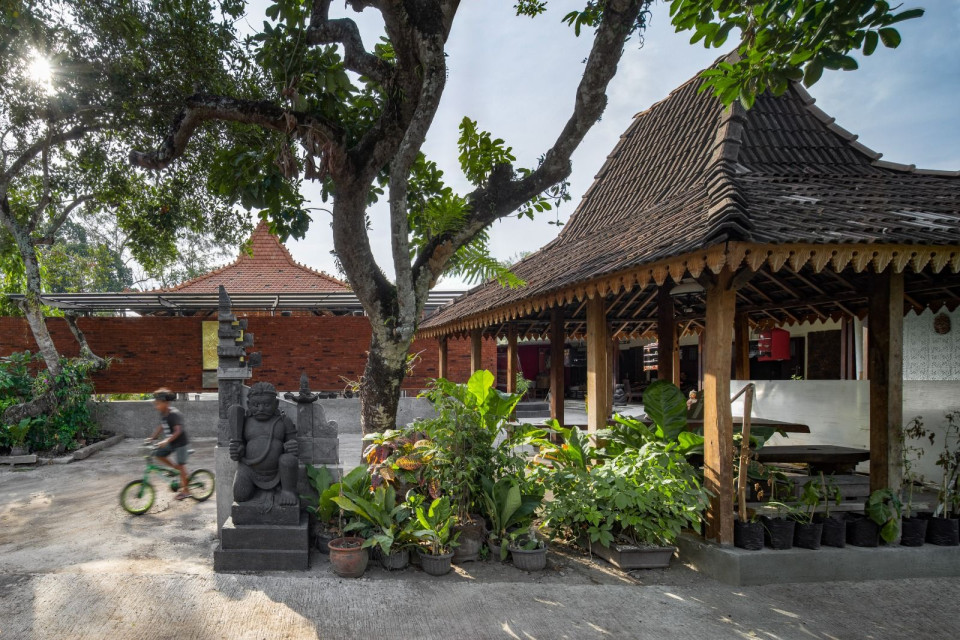
The adaptive reuse of Joglo provides a powerful example of how architecture preserves historical buildings while transforming them into serving new, relevant functions. The project of Ad Rem Joglo transcends visual restoration, revitalizing the building's spirit and aligning it with contemporary cultural and functional needs, becoming a prototype for sustainable future.